Navigating the financial marketplace requires a clear understanding of the instruments available to consumers. When individuals or businesses need to borrow money, they generally choose between two primary structures: secured loans and unsecured loans. The distinction between these two options fundamentally alters the borrowing experience, influencing everything from the initial application process to the long-term financial consequences of a default. Choosing the right mechanism depends heavily on an applicant’s asset profile, credit standing, and specific funding requirements.
At its core, the difference centers on collateral. Collateral represents a physical or financial asset that a borrower pledges to a financial institution to guarantee the repayment of a debt. This single structural variation dictates how banks assess risk, establish interest rates, determine maximum borrowing limits, and handle payment delinquencies. Understanding how these elements interact allows consumers to make informed choices that protect their financial long-term well-being while fulfilling their immediate cash flow demands.
Deep Dive into Secured Loans
A secured loan is a borrowing arrangement where the debt is directly tied to a specific piece of valuable property, serving as financial protection for the lender. By establishing a legal claim on the asset, known as a lien, the financial institution lowers its risk exposure. If the borrower stops making scheduled payments, the lender maintains the legal authority to seize and liquidate the pledged property to recoup the remaining balance.
The most common forms of secured lending include mortgages, where the home itself acts as the underlying asset, and auto loans, where the vehicle serves as the security. Other variations involve using savings accounts, certificates of deposit, jewelry, or investment portfolios to back the borrowed funds.
Because the financial institution holds a tangible means of recovering its capital, secured options provide several distinct advantages to borrowers:
-
Lower Interest Rates: Lenders charge less for capital because the overall transaction risk is low.
-
Higher Borrowing Boundaries: Financial institutions feel comfortable extending larger sums of money when the loan matches or sits slightly below the appraised value of the pledged asset.
-
Extended Repayment Timelines: Mortgages can stretch across thirty years, a duration rarely seen in non-collateralized lending.
-
Accessible Qualification Standards: Individuals possessing weaker credit profiles can frequently secure approval by offering high-value assets to balance out past credit mismanagement.
However, the primary risk of this approach rests entirely on the borrower. Missing payments can cause the rapid forfeiture of essential personal property, such as a primary residence or daily transportation. Furthermore, the application timeline can be slow and deliberate, as institutions must legally verify the ownership, condition, and market value of the property before releasing funds.
Exploring Unsecured Loans
An unsecured loan represents a credit arrangement extended without any underlying collateral requirement. Financial institutions issue these funds based strictly on an evaluation of the borrower’s creditworthiness, income reliability, and historic debt management patterns. Because there are no physical assets attached to the transaction, lenders take on a significantly elevated level of financial risk.
Common examples of unsecured financial products include credit cards, personal lines of credit, student loans, and signature personal loans used for medical bills or debt consolidation.
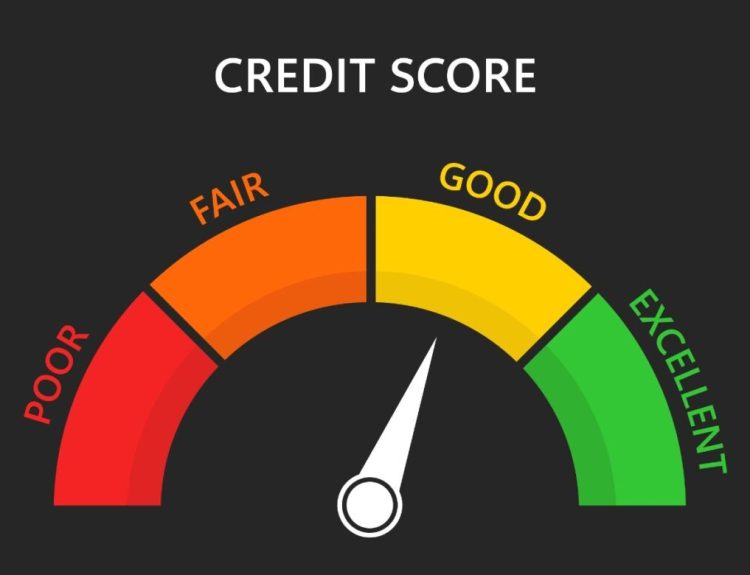
Lenders look heavily at credit scores and debt-to-income ratios to evaluate unsecured applications. For individuals who maintain clean, established credit profiles, unsecured financial products offer distinct structural perks:
-
Accelerated Funding Timelines: Because the bank does not need to appraise real estate or verify asset titles, approvals often conclude within a single business day.
-
Protection of Personal Property: If financial hardship strikes, the lender cannot immediately seize a car or house without an extensive court proceeding.
-
Flexible Funding Allocations: Borrowers face fewer restrictions on how they spend the cash, making these loans popular for home repairs, events, or emergencies.
The primary disadvantage manifests in the cost of borrowing. To offset the reality that a default could leave them empty-handed, financial institutions implement higher interest rates. Borrowing caps also stay relatively low, typically remaining under fifty thousand dollars for personal lines of credit. Additionally, qualification requirements lean toward strict thresholds; individuals with low credit scores or erratic employment histories will face quick rejections or steep, unsustainable interest rates.
Head-to-Head Structural Comparison
Evaluating the operational mechanisms of both options side-by-side clarifies how different borrowing choices shift specific variables like cost, accessibility, and legal vulnerability.
| Feature | Secured Loans | Unsecured Loans |
| Collateral Requirement | Mandatory (Real estate, vehicles, cash accounts) | None |
| Average Interest Rates | Historically lower | Highly elevated |
| Approval Speed | Slower (Requires extensive asset valuation) | Fast (Often automated via digital credit sweeps) |
| Maximum Loan Size | Scaled to asset value (Up to millions for real estate) | Capped based on documented monthly income |
| Primary Default Penalty | Repossession or foreclosure of the asset | Collection agency actions and severe legal lawsuits |
Legal and Financial Consequences of Default
When an individual falls behind on scheduled payments, the recovery methods used by financial institutions diverge sharply based on the design of the loan contract.
In a secured transaction, the lender executes a non-judicial or judicial foreclosure or repossession. If a consumer falls sixty days past due on an auto loan, a repossession agent can reclaim the car to satisfy the debt. Should the sale of the vehicle fail to cover the full balance, the borrower remains liable for the remaining deficiency balance.
In an unsecured transaction, a lender cannot seize property automatically. Instead, the institution shifts the account into an internal collections department or sells the debt to a third-party collection agency. If communication fails, the creditor must file a formal lawsuit in civil court. If the lender wins a judgment, they can legally pursue wage garnishment, bank account levies, or place general judgment liens against the consumer’s real estate holdings. Both paths cause severe, long-lasting downward drops to a consumer’s credit report.
Making the Right Borrowing Decision
Selecting the correct credit path requires a realistic evaluation of your current financial health and your specific timeline. A secured loan is appropriate when you need to purchase a long-term asset, like a home, or when you want to leverage existing assets to get the lowest possible interest rate. It also works well for individuals rebuilding their credit through specialized, cash-backed savings loans.
Conversely, an unsecured loan makes sense when you need fast capital for emergency expenses, or when you want to consolidate multiple high-interest credit card debts into a single monthly payment without risking your home or vehicle. Ultimately, evaluating the true cost of borrowing against your monthly income ensures that whichever loan type you choose remains a helpful tool rather than a financial burden.
Frequently Asked Questions
Can an unsecured loan ever be switched into a secured loan after approval?
Generally, a standard unsecured loan contract cannot be retroactively modified into a secured framework midway through its life cycle. However, borrowers can accomplish this outcome indirectly through refinancing. A consumer can take out a new secured debt obligation, such as a home equity loan, and use those newly acquired proceeds to completely pay off their existing unsecured obligations.
What happens if the collateral on a secured loan loses market value?
If a pledged asset experiences a drop in market value, the core terms of a fixed-rate loan remain unchanged, and the borrower must continue making their normal monthly payments. However, complications arise if the property is destroyed or sold. For example, if an automobile is totaled in an accident and its depreciated value is less than the remaining loan balance, the borrower must pay the difference out of pocket unless they carry specialized gap insurance.
Do unsecured loans carry prepayment penalties more often than secured options?
Prepayment structures depend on the individual lender rather than the loan category. However, traditional unsecured personal loans from modern digital lenders frequently feature zero prepayment penalties to attract buyers. Conversely, secured real estate mortgages often include specific regulatory provisions that restrict or penalize large principal payoffs within the opening years of the contract.
Why do student loans behave differently than other unsecured debts during bankruptcy?
Although student loans do not require physical collateral, they receive unique legal protections under federal bankruptcy statutes. Unlike credit card balances or medical bills, which can be wiped away through standard filing processes, student loans require the debtor to prove that repayment causes an undue financial hardship. This standard remains difficult to achieve in court, making student loans exceptionally difficult to discharge.
How does a peer-to-peer lending network evaluate an unsecured loan application?
Peer-to-peer platforms utilize algorithmic underwriting that scans traditional credit bureau data alongside non-traditional indicators. These alternative metrics include steady utility payment histories, educational achievements, and current job career paths. Once the system scores the applicant, individual retail investors choose whether to fund fractions of the loan based on the risk tier assigned to the borrower.
Can a lender place a lien on a co-signer’s assets for an unsecured loan default?
If an unsecured loan enters default, the lender cannot automatically place a lien on a co-signer’s property without first going through the court system. However, because a co-signer legally guarantees the debt contract, the creditor can sue the co-signer directly for the full unpaid balance. If the court rules in favor of the lender, a judgment lien can then be placed against the co-signer’s real estate or personal holdings.