When you apply for a mortgage, an auto loan, or a personal line of credit, financial institutions do not pull an interest rate out of thin air. Instead, they rely on a sophisticated, data-driven underwriting system designed to measure risk. At the absolute center of this system sits your credit score. This three-digit number acts as a financial resume, telling lenders how reliably you have managed your debts in the past.
Understanding how this number dictates your borrowing costs can save you thousands of dollars over your lifetime. Even a minor fluctuation in your score can shift you into a completely different tier of pricing, drastically altering your monthly payments and the total amount of money you pay back to a lender.
The Core Relationship Between Risk and Interest Rates
To understand why credit scores carry so much weight, you must first look at the lending industry through the eyes of a financial institution. Every time a bank lends money, it takes a calculated gamble that the borrower will pay it back. The interest rate is the price of that risk.
Lenders use your credit score to estimate the mathematical probability that you will default on your loan within a specific timeframe. A high credit score indicates that you have a proven track record of on-time payments, low debt utilization, and responsible account management. Because the risk of losing money on you is low, lenders compete for your business by offering their lowest possible interest rates.
Conversely, a lower credit score signals a higher statistical probability of missed payments or default. To protect their capital against this elevated risk, lenders charge higher interest rates. This extra revenue provides a financial cushion for the bank in case the borrower stops making payments altogether.
Decoding the Credit Score Tiers
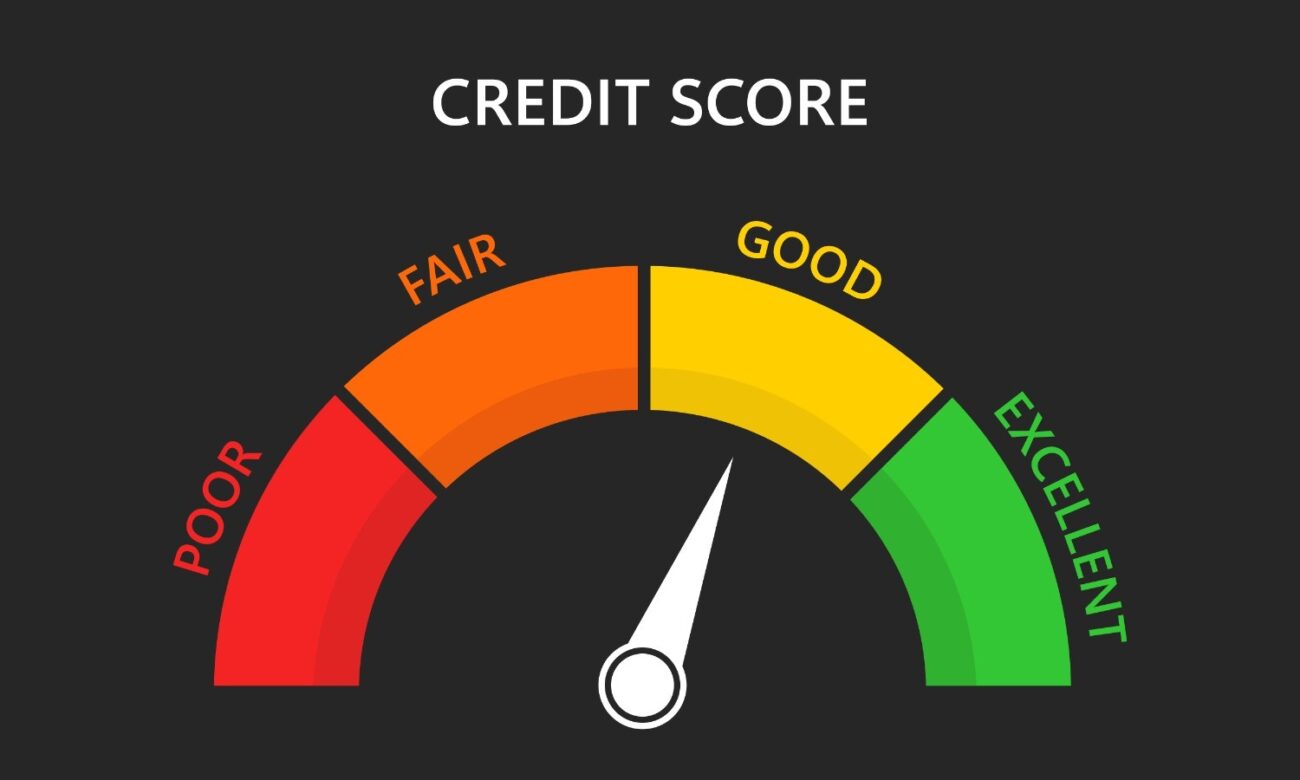
Most lenders utilize FICO scores, which range from 300 to 850, to categorize applicants into distinct risk tiers. While exact thresholds vary by institution and loan product, the general classification system follows a predictable pattern:
-
Exceptional (800 to 850): Borrowers in this elite bracket represent the lowest risk. They receive immediate approvals and the absolute lowest interest rates available in the marketplace.
-
Very Good (740 to 799): This tier signifies a highly dependable borrower. Individuals here easily qualify for premier rates and favorable loan terms.
-
Good (670 to 739): This is the national average range. Borrowers will secure approvals easily, but their interest rates will sit slightly above the prime rate.
-
Fair (580 to 669): Lenders view this range with caution. Approval is possible, but it comes with higher interest rates, stricter down payment requirements, and lower borrowing limits.
-
Poor (300 to 579): Applicants face frequent rejections. If approved, the loans feature predatory interest rates, high administrative fees, and mandatory collateral requirements.
The Financial Realities Across Different Loan Types
The practical impact of your credit score varies based on the size, duration, and structure of the loan you want to secure.
Mortgages and Long-Term Real Estate
Because home loans involve large sums of money stretched across fifteen to thirty years, even a fraction of a percentage point can completely reshape your financial future. On a thirty-year fixed mortgage for a four-hundred-thousand-dollar home, a borrower with a credit score above 760 might secure an interest rate of 6.5 percent. This results in a monthly principal and interest payment of roughly twenty-five hundred dollars.
An applicant with a score of 630 might be offered a rate closer to 8.0 percent for the exact same property. That single percentage point difference pushes the monthly payment up by nearly four hundred dollars. Over the thirty-year life of the mortgage, the lower-score borrower will pay over one hundred thousand dollars more in interest charges alone compared to the prime borrower.
Auto Financing
Car loans are shorter, typically running between sixty and seventy-two months. However, the interest rate spread between credit tiers is much wider. A buyer with an exceptional credit score might qualify for a promotional 4.0 percent interest rate on a new vehicle.
A buyer with a subprime score under 600 looking at the exact same vehicle could easily face an interest rate exceeding 18.0 percent. The subprime buyer will pay double or triple the amount of total interest over the life of the car loan, heavily inflating the actual cost of daily transportation.
Credit Cards and Personal Loans
Unsecured lending relies almost exclusively on credit scores because there is no asset for the bank to seize if you default. Credit card annual percentage rates for prime borrowers usually hover around the prevailing market baseline. For subprime borrowers, those rates can climb past 30.0 percent, making it nearly impossible to chip away at the principal balance if a balance is carried month to month.
How Lenders Read Your Credit Report Beyond the Number
While the three-digit score is the first thing a lender sees, automated underwriting software digs much deeper into the credit report components to fine-tune your interest rate:
-
Payment History (35% of score): A single recent thirty-day delinquency can cause your score to drop and your future interest rates to rise, as it indicates sudden financial instability.
-
Amounts Owed (30% of score): Maxing out your credit cards signals that you are overextended. Keeping your credit utilization ratio below thirty percent tells lenders you use debt responsibly.
-
Length of Credit History (15% of score): A long, established history of open accounts provides more reliable data for lenders than a thin file with only a year of activity.
-
New Credit (10% of score): Applying for multiple loans in a short window triggers hard inquiries, making you look desperate for cash and temporarily lowering your score.
-
Credit Mix (10% of score): Managing a healthy blend of revolving accounts and installment loans proves you can handle different types of financial obligations.
Actionable Strategies to Maximize Your Interest Rate Savings
If you plan to apply for a major loan in the near future, taking intentional steps to optimize your credit profile can pay massive dividends.
First, request a copy of your credit reports from the major bureaus and audit them for errors. Erroneous late payments, inaccurate account balances, or identity theft issues can artificially suppress your score. Disputing and removing these mistakes can lead to a rapid score increase.
Second, aggressively pay down revolving credit card balances to lower your utilization ratio. Doing this right before your loan application can quickly bump you into a higher credit tier. Finally, avoid opening any new credit lines or making large purchases on existing cards during the months leading up to your loan application to keep your profile stable.
Frequently Asked Questions
Why did two lenders offer me different interest rates even though they used the same credit score?
Lenders utilize different scoring versions, such as FICO Score 8 versus FICO Score 2, which weight credit behaviors differently. Additionally, each financial institution operates on its own internal risk tolerance model, cost of capital, and profit margin goals, leading to variations in the rates they offer for identical scores.
How long does a hard inquiry from a loan application impact my interest rate options?
A hard inquiry remains visible on your credit report for twenty-four months, but it only factors into your FICO score calculation for twelve months. The initial drop is usually modest, often shifting your score down by fewer than five points, which rarely changes your interest tier unless your score sits right on a boundary line.
Will paying off an installment loan early improve my credit score and secure me lower future rates?
Paying off an installment loan early saves you money on interest, but it can occasionally cause a brief, minor drop in your credit score. Closing the account reduces your mix of active accounts and can shorten the average age of your open lines of credit, though your score usually recovers quickly.
Can a high annual income override a poor credit score to secure a prime interest rate?
A high income does not cancel out a poor credit record. Income is not tracked or factored into your three-digit credit score. While a healthy salary improves your debt-to-income ratio and helps you qualify for a loan, the interest rate will still be determined by the potential risk shown in your credit history.
Do credit score requirements for prime interest rates change when the federal government alters interest rates?
The baseline credit score brackets for specific tiers remain relatively stable regardless of government action. However, when the federal reserve adjusts interest rates, lenders shift their entire pricing structure up or down. Your credit score tier simply dictates your distance from that moving baseline.
How do buy now pay later services affect the credit score used for loan pricing?
Many buy now pay later transactions are not reported to the major credit bureaus if paid on schedule, meaning they will not help build your score. However, if an account falls into default and is sent to a collection agency, that collection will be reported, causing severe damage that will push up future borrowing costs.
Why do some auto lenders offer zero percent financing to buyers who do not have perfect credit?
Zero percent financing offers are marketing incentives funded by the vehicle manufacturer rather than traditional banks. Manufacturers use these promotions to move inventory off dealership lots, and they occasionally loosen credit requirements during sales events to include buyers with good rather than perfect credit.